
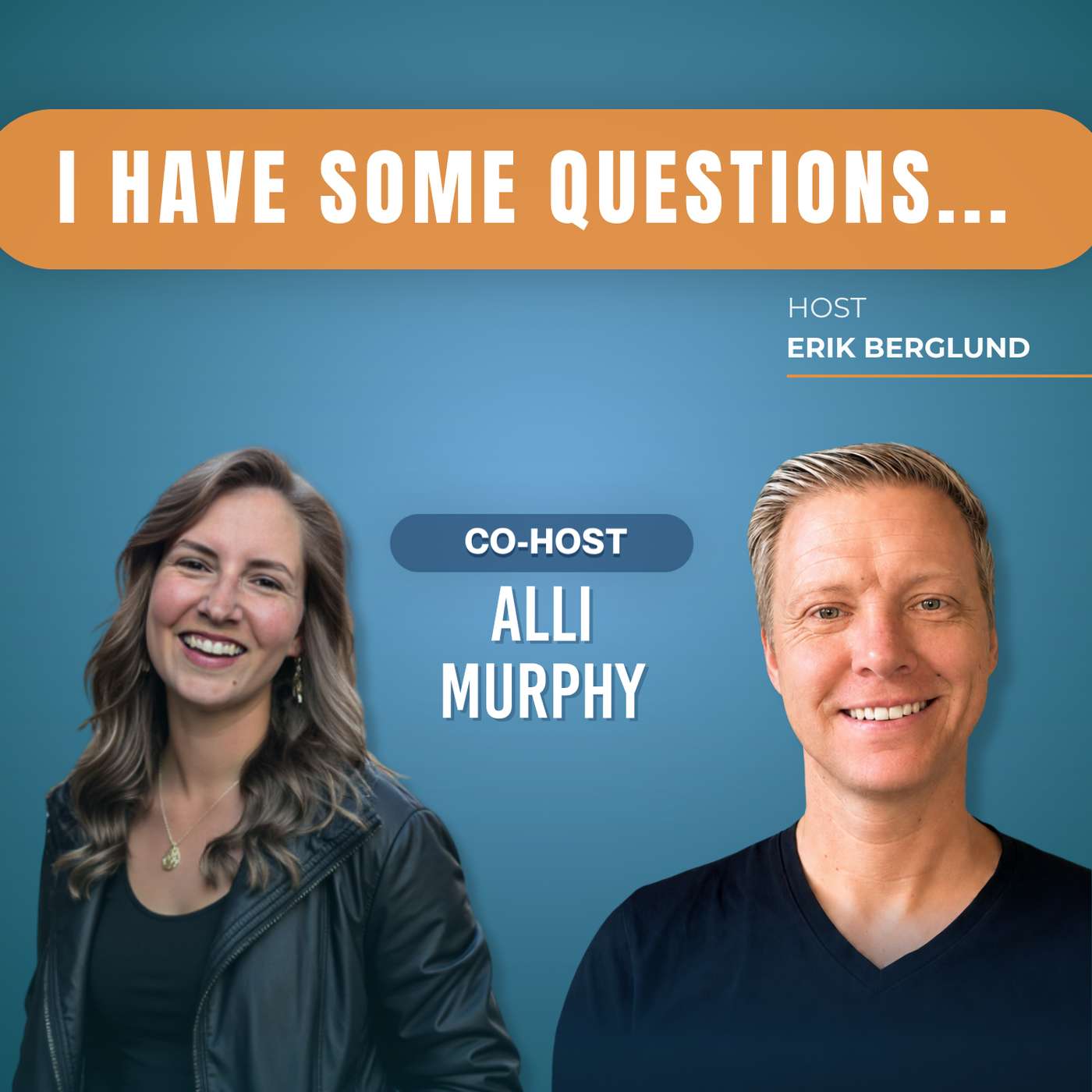
Alli Murphy introduces the idea of a “dark day,” where an executive steps away for a day so the whole company stops pinging them and assumes they are offline or on vacation. She shares how the concept feels immediately appealing because it creates real breathing room to focus on personal priorities. Erik reacts with skepticism, especially to the part where it must be secret. He argues that tricking everyone suggests deeper issues in the organization’s culture, not just a logistics problem. By the end, the conversation reframes the question away from tactics and toward what people believe about safety, permission, and leadership expectations.
🧭 Conversation Highlights
- Alli Murphy describes a “dark day” as an intentional day for an executive to go unresponsive so the company stops pulling them into meetings.
- Erik agrees leaders need protected time, but questions why that protection requires secrecy across the organization.
- They connect the secrecy to cultural signals, implying the company may not truly trust leaders to set boundaries.
- The discussion pivots from practical scheduling to what these norms reveal about psychological safety and expectations.
💡 Key Takeaways
- Protected focus time for leaders is legitimate, but the method matters because it communicates something to the organization.
- If a leader must be “secretly offline” to get space, the culture likely does not support normal boundary-setting.
- The real issue is less about calendars and more about whether permission to disconnect exists without deception.
- Leadership time protection becomes a litmus test for how the team manages trust, urgency, and control.
❓ Questions That Mattered
- Why is it necessary for an executive to create a dark day in secret rather than simply communicate boundaries openly?
- What cultural conditions make “offline” feel unsafe, unrealistic, or politically risky to the organization?
- If everyone assumes availability is required, what does that say about how the team responds to urgency?
- When leaders need space, what structures should exist so protected time does not depend on misdirection?
🗣️ Notable Quotes
- “I love a dark day. This is great.”
- “To need to trick everybody to do so implies something about your culture that’s probably a much bigger deal than getting whatever you need to get done, done.”
🔗 Links & Resources