
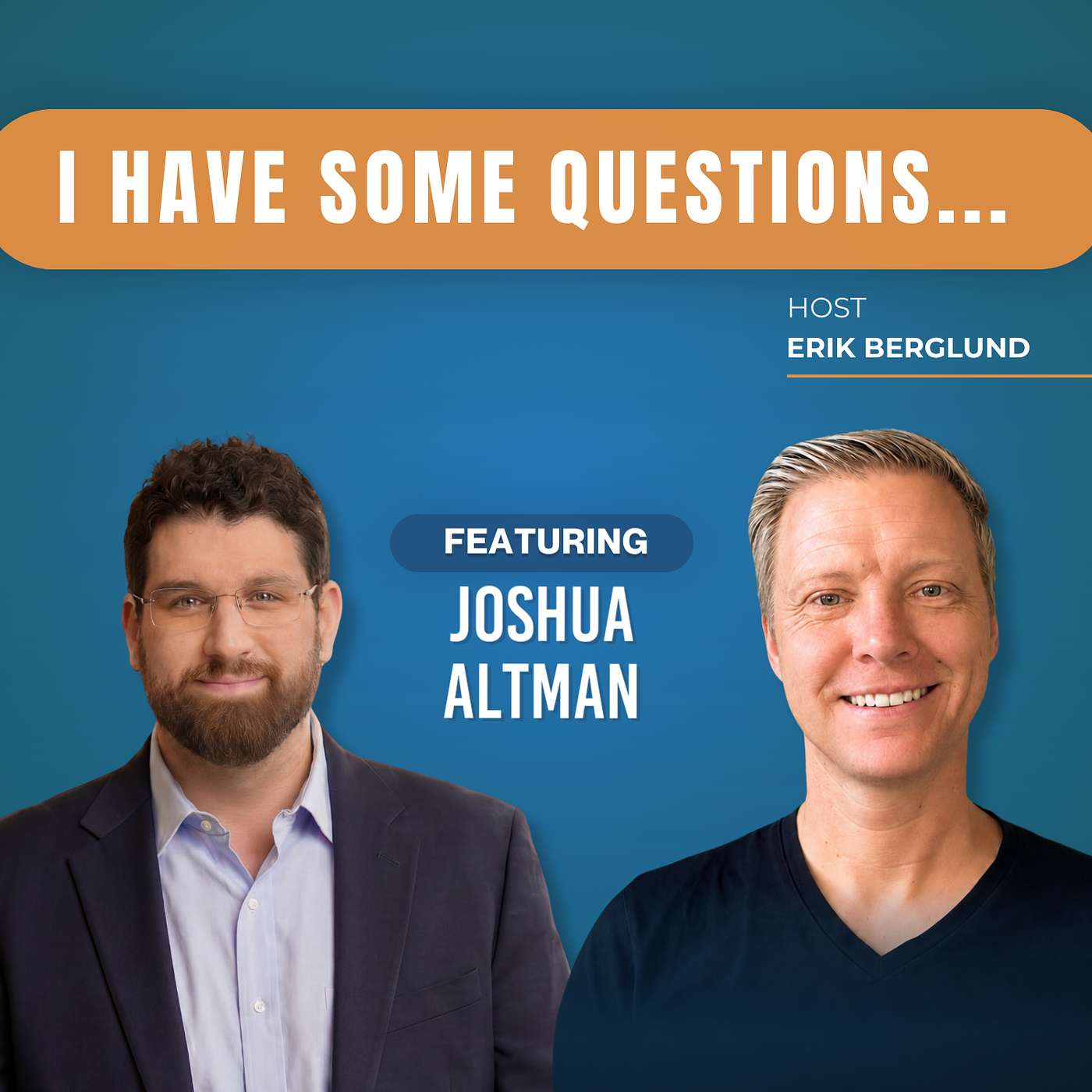
Erik talks with Joshua Altman about why communication gets “random acts” treatment, and how fractional chief communications officers bring strategy and consistency without full-time cost. Joshua shares two core frameworks, Story-Narrative-Brand and the Four Languages (read, see, hear, experience), plus why trust, authenticity, and even lighting and audio matter for message delivery.
👤 About the Guest
Joshua Altman is an experienced storyteller and strategist who leads Beltway Media, a DC-based communications firm. With over two decades of experience, including multimedia journalism at The Hill covering high-stakes federal policy and elections, he now helps startups and agencies refine messaging, elevate brand, and build trust with customers, investors, and the public.
🧭 Conversation Highlights
- Joshua explains fractional comms as an internal-employee model: take 10 to 20 hours a week off founders and leaders who are doing communications ad hoc.
- Two frameworks anchor the work: Story-Narrative-Brand and the Four Languages model (read, see, hear, experience) to map how audiences actually take in information.
- They push for early engagement, even day one, because shaping perception and building trust are easier before misinformation or negative impressions take hold.
- Trust and authenticity beat polished “AI slop,” and even simple production basics like clear audio and decent lighting are required for the message to land.
💡 Key Takeaways
- Communications is always happening, so the goal is to make it intentional and organized, not just louder.
- Mapping message through read, see, hear, and experience reveals gaps across touchpoints like ads, pitch decks, hold music, and events.
- Fractional works best when it is not “one-off projects,” but an ongoing process with a minimum commitment and a seat at the table from early on.
- Authenticity builds trust, but only if your content is actually perceivable: good enough audio and lighting are non-negotiable.
❓ Questions That Mattered
- How can a company recognize it is doing “random acts of communication” without measuring time, control, or strategy?
- Why are strategy and frameworks more valuable than simply removing the CEO’s communications burden?
- What truths must a business accept before fractional comms makes sense (even from day one)?
- If “crazy” sometimes works, how do you know when experimentation creates upside versus unintended negative consequences?
🗣️ Notable Quotes
- “Unlike an agency we are there like an internal employee, but fractionally.”
- “Communications is an ongoing process. You’re always doing it, whether you’re thinking about it consciously or not.”
- “Authenticity almost always [is] the deciding factor, with a couple of caveats.”
- “Quantify how much time you are spending on this.”
🔗 Links & Resources